

James Nunns
3 October 2018
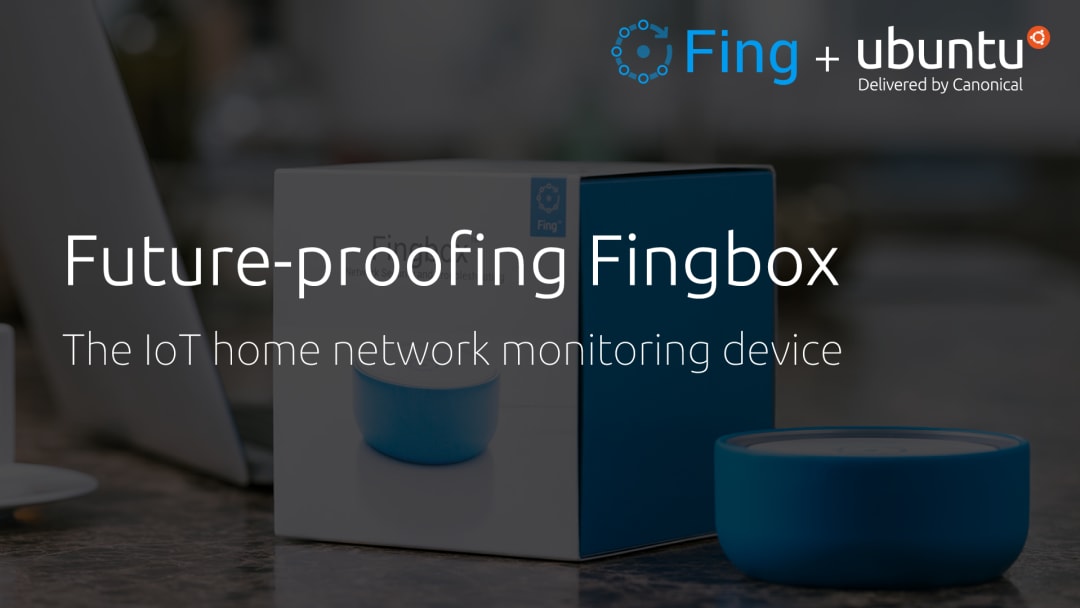
Fing: future-proofing Fingbox the IoT home network monitoring device
As many as 20.4 billion internet of things devices are estimated to be in use by 2020, according to Gartner, with consumer products making up 63% of this figure.
A large amount of these will be low-cost devices, rushed out by manufacturers in order to capitalise on this opportunity. Unfortunately, this method typically pays no attention to the long-term lifecycle of a product or software strategy.
Factors that are typically not considered include: how can security updates be rolled out quickly? How to ensure your customers are on the latest version of your software especially once the device is out in consumer’s homes? How can the product lifecycle be extended through software functionality which may even up new revenue opportunities?
One company that did consider these factors is Fing, known for its network security app, when developing it’s customer-facing security toolkit hardware; Fingbox.
Being able to future-proof the device was one of Fing’s main priorities from the start, aiming to ensure that their customers will be able to benefit from the latest feature updates and seamless security patches.
Fing also wanted to ensure that they could build a sustainable business from Fingbox that wasn’t reliant on shipping new hardware and opened up a new revenue stream throughout its lifecycle. To address all these requirements, Fing adopted Ubuntu Core, Snaps and Canonical’s IoT app store to facilitate their product.
Fing’s engineering team built Fingbox using Ubuntu Core and Snaps to speed up development time, save budget and resources and ensure a future-proofed product went to market.
In this webinar, you’ll hear from Fing Co-Founder and Big Data Architect, Carlo Medas, on:
- How Fingbox was built with Ubuntu Core
- How Fingbox’s key features including parental control, Digital Fence and Digital Presence are updated and improved ongoing using Snaps
- How Canonical’s IoT app store was used to facilitate the product


